

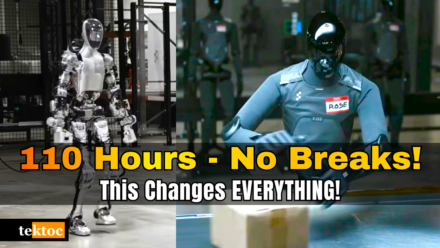
Figure Robotics Raises the Bar — Again
If you’ve been following the humanoid robot space, you already know that Figure robotics has been moving fast. But what just happened at Figure AI’s BotQ facility in California is genuinely worth slowing down to understand — because most of the reaction you’ll find on social media is focused on entirely the wrong things.
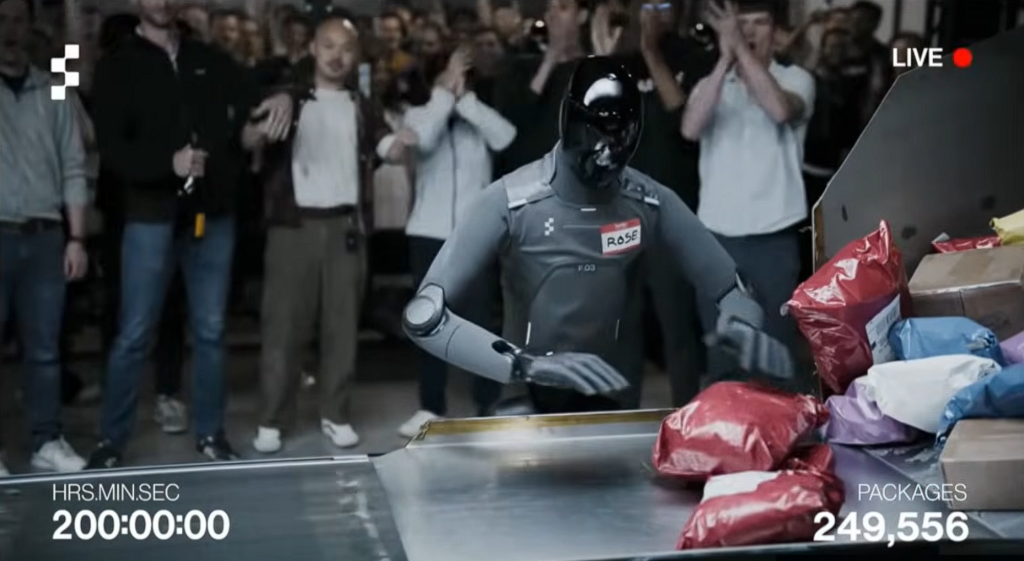
Over a period of more than 110 continuous hours (at the time this video was made – it ended up being 200 continuous hours in total), three Figure F.03 humanoid robots — affectionately nicknamed Bob, Frank, and Gary — sorted packages in a closed-loop logistics test. No human supervision. No manual programming for each package shape. No scheduled downtime. By the time the marathon run ended, the trio had processed over 130,000 packages (nearly a quarter-million at the test’s ultimate conclusion).
The test took place in a carefully designed environment that mimics a real warehouse operation. Mixed packages — cardboard boxes, soft plastic mailer bags, irregular parcels — came down a chute in a completely unpredictable order. The robots identified each barcode using onboard cameras, placed the package correctly on a conveyor belt, and the loop repeated. Endlessly.
When one robot’s battery ran low, it walked itself to a charging station. The next robot stepped in. The line never stopped.
Why the “Robot Lost” Headline Misses the Point
To generate some attention, Figure AI staged a direct eight-hour head-to-head competition between one F.03 and a real logistics worker named Aime. The human won — sorting 12,924 packages to the robot’s 12,732. A margin of 192 packages over eight hours – a difference of about 1.5%.
Predictably, a lot of people online ran with the “the robot lost” angle. But that framing completely ignores what was actually demonstrated. At the end of those eight hours, Aime joked that his forearm was basically broken from the effort. The robot felt nothing — and kept sorting long after the competition ended, at the exact same pace it started at.
The more important comparison isn’t human vs. robot on day one. It’s robot on day one versus robot eighteen months ago. The original Figure 01 — released in late 2024 — was larger, bulkier, physically tethered to a power cable, and operated at roughly 16.7 percent of human speed. The F.03 is smaller, fully untethered, and running at essentially human pace. That is an extraordinary improvement in a very short window of time.
What makes this genuinely different from the industrial robots you’ve seen on car assembly lines is something called autonomous adaptation. A traditional programmed robot can weld a specific point or tighten a specific bolt with great precision — but change the task, the angle, or the product, and it’s lost. The F.03, powered by Figure’s in-house Helix-02 AI system, looks at a chaotic pile of packages it has never seen before and figures out what to do. That’s not incremental improvement. That’s a different category of machine.
It’s also worth noting that the gap between sorting packages on a conveyor and picking products in a warehouse aisle — the kind of work done in Amazon fulfillment centers every day — is smaller than most people assume. The core skills are nearly identical. This test wasn’t a party trick. It was a stepping stone.
The Economics of Humanoid Robots
On the economics side, industry analysts project the F.03 at somewhere in the range of $20,000 to $24,000 per unit, with some estimates suggesting a return on investment within six months of continuous operation. A human worker performing the same task costs significantly more when you factor in wages, benefits, training, turnover — and the very real cost of repetitive strain injuries, which account for 35 percent of all warehouse injuries in the U.S. and cost American businesses an estimated $50 billion annually across all industries. The worker who narrowly won that competition had a sore arm. The robot had none.
None of this means the transition will be simple, fast, or without real consequences for working people. Those are conversations worth having seriously. But if you want to understand where humanoid robotics actually stands right now — as opposed to the hype on one side and the dismissiveness on the other — 110 hours, 130,000 packages, and a nearly-tied competition is a pretty good place to start.
Watch the full breakdown in the video above.
Equipment Used In this Video:
(The links below are affiliate links. I may earn a commission on any purchase which does not affect the price you pay and helps me fund this site and my YouTube channel.)
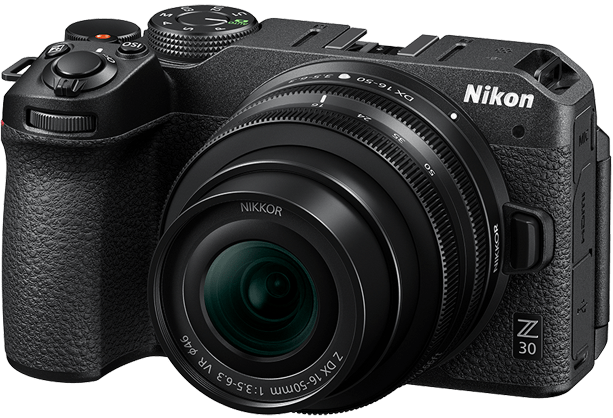
Studio Camera: Nikon Z30
Studio Camera Lens: Nikkor 24mm Prime – f1.7
Teleprompter: Neewer X11
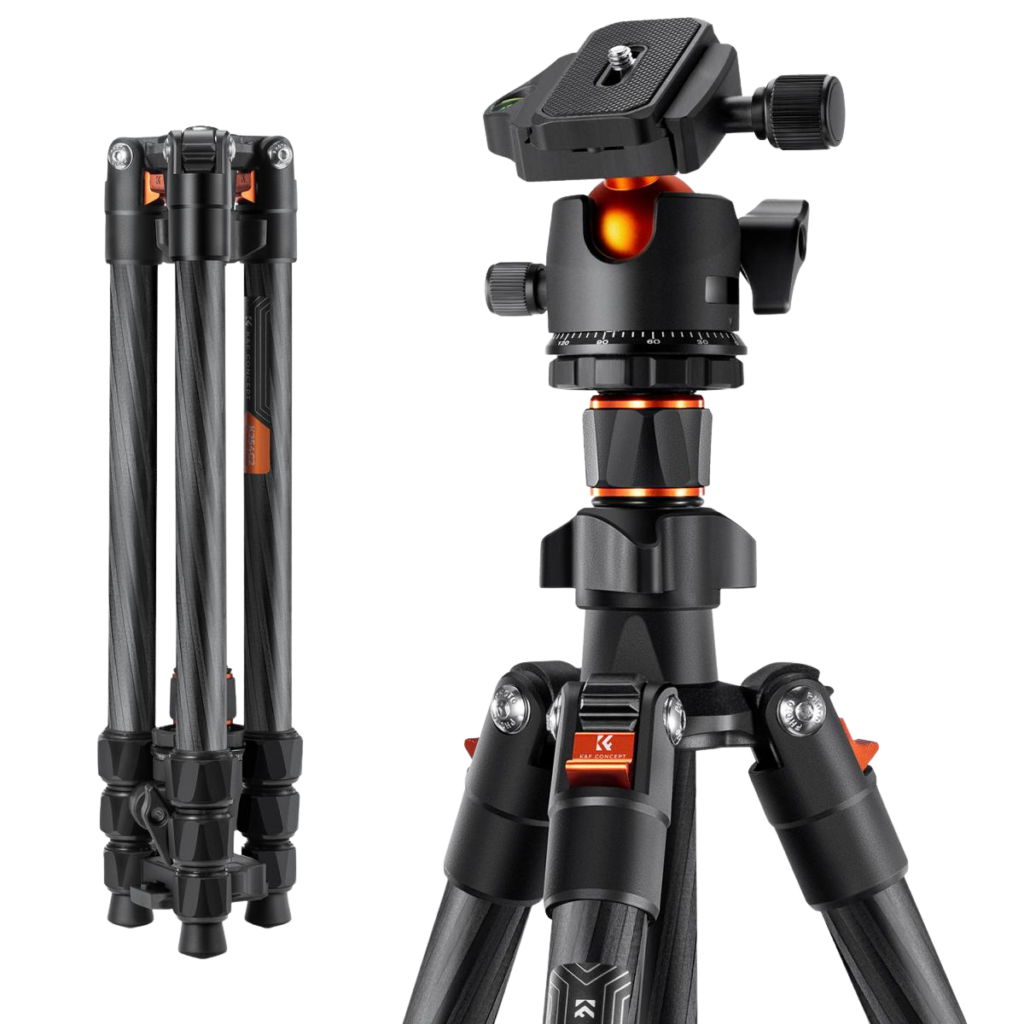
Tripod: K&F Concept 64″ Lightweight Aluminum Tripod
Recent Posts
- How to Cut Through the Confusion and Find the Best SD Card for Your Gear
- How to Safely Install Linux Mint on a Second Drive (Legacy BIOS)
- Figure Robotics Just Changed the Game: What 110 Hours of Non-Stop Robot Work Really Means
- How to Access Your BIOS: Boot Order, Fast Boot, and RAM Speed Made Simple
- Compact Camera 2026: Why They’re Back — and Which One You Should Buy
Discover more from tektoc
Subscribe to get the latest posts sent to your email.
