
Jensen Huang has resigned as Nvidia’s CEO, and it’s a much bigger story than one executive leaving one company. In the video below, I explain what happened, why it matters for the fight over AI chips between the United States and China, why Taiwan sits at the centre of it all, and what it means for the computer sitting on your desk.
Why Jensen Huang Resigned
Huang co-founded Nvidia and led it for 33 years. On November 12, Nvidia’s board announced that he had resigned as president and CEO, and left the board, effective immediately. Chief financial officer Colette Kress is serving as interim CEO while the board searches for a permanent replacement, and former Synopsys CEO Harvey Jones becomes the company’s first-ever board chair. Nvidia’s shares fell more than 11% on the news.
The trouble began in late October, when The New York Times reported that Huang had a close relationship with a woman at a Singapore-based company that bought Nvidia chips. U.S. intelligence officials believe she was gathering information for China. Huang later admitted to his staff that it was an affair, and the board opened an independent investigation while still saying it had confidence in him.
Then the Times reported a second affair, this time with a senior Nvidia executive who reported directly to him. That’s a very different problem for a company, because it raises serious questions about conflicts of interest, and about whether the full story had been told the first time. The board met that day to consider removing him, and by the next morning he was gone.
It’s worth being careful with the details. China has denied the spying allegations, and public reporting hasn’t shown what information, if any, was actually obtained.
The Fight Over AI Chips and China
Nearly all the chips that power AI systems are designed by American companies. Analysts estimate Nvidia alone holds roughly three-quarters or more of that global market, with most of the rest coming from AMD, Google and Amazon. For several years, the U.S. government has used export controls to limit which of those chips can be sold to China.
Both sides of that debate make real arguments. Supporters of the controls say these chips are too important to sell to a rival. Huang argued the opposite: that strict limits simply hand China’s AI chip market to homegrown competitors like Huawei. There’s no doubt that cutting off China has a cost. It means lost sales for American companies, and it gives China every reason to build its own chips instead. Supporters say that’s a price worth paying, while critics say it backfires.
Congress is now weighing several bills that would tighten those controls further, including the AI Overwatch Act, the MATCH Act and the Chip Security Act. Lawmakers from both parties want them in this year’s defence bill, and those pushing them say Huang’s exit gives them fresh momentum.
Why Taiwan Keeps Coming Up
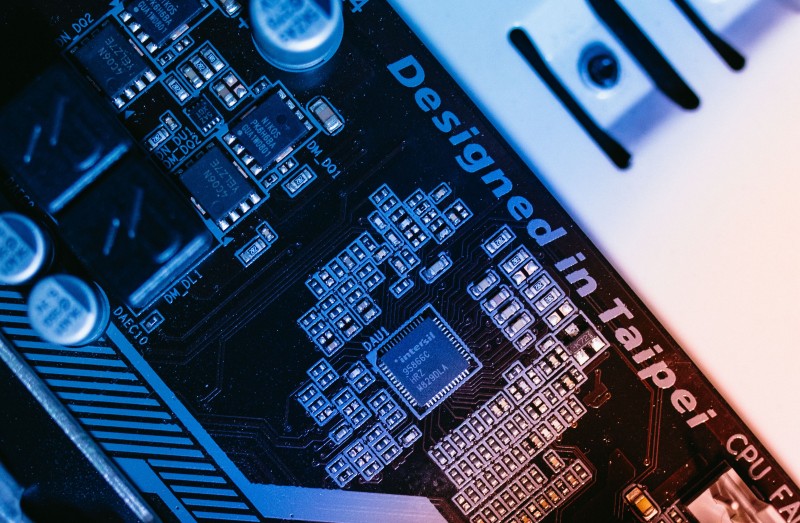
Here’s the part that often gets missed: Nvidia designs its chips, but it doesn’t make them. It doesn’t own a single chip factory. Almost all of its advanced chips are built by TSMC in Taiwan, which also makes chips for Apple, AMD and many other big names. Researchers estimate Taiwan produces more than 90% of the world’s most advanced chips, on an island roughly 160 kilometres off the coast of China.
I’m not going to predict a conflict, because nobody can honestly tell you the odds. What’s clear is why the tension matters. China wants the most advanced chips, the U.S. is limiting what it can buy, and the place that makes them sits right next door. TSMC has started producing advanced chips in Arizona, but the most cutting-edge production will stay concentrated in Taiwan for some time yet.
What Jensen Huang’s Resignation Means for You
First, the reassuring part. If you have an Nvidia graphics card, it will keep working exactly as it does today, and there’s no sign of any change to Nvidia’s driver updates. The export fight is about the huge, expensive chips that run AI in data centres, not the card in your PC. Nvidia can still sell gaming graphics cards in China.
Where it could reach you is prices. The same factories make both kinds of chips, and when AI companies compete for chips and factory space, everyday products can get squeezed. We’ve already seen that happen with memory, which I covered in Why Is RAM So Expensive Right Now?
So my advice is simple. Don’t rush out to buy anything because of the headlines, and don’t put off something you genuinely need either. If a new computer or graphics card is on your list, just keep an eye on this story over the next few months.
For the full story, including the background on the chip export bills, make sure to check out the video above.
Discover more from tektoc
Subscribe to get the latest posts sent to your email.